


How do you choose the best natural facial soap?

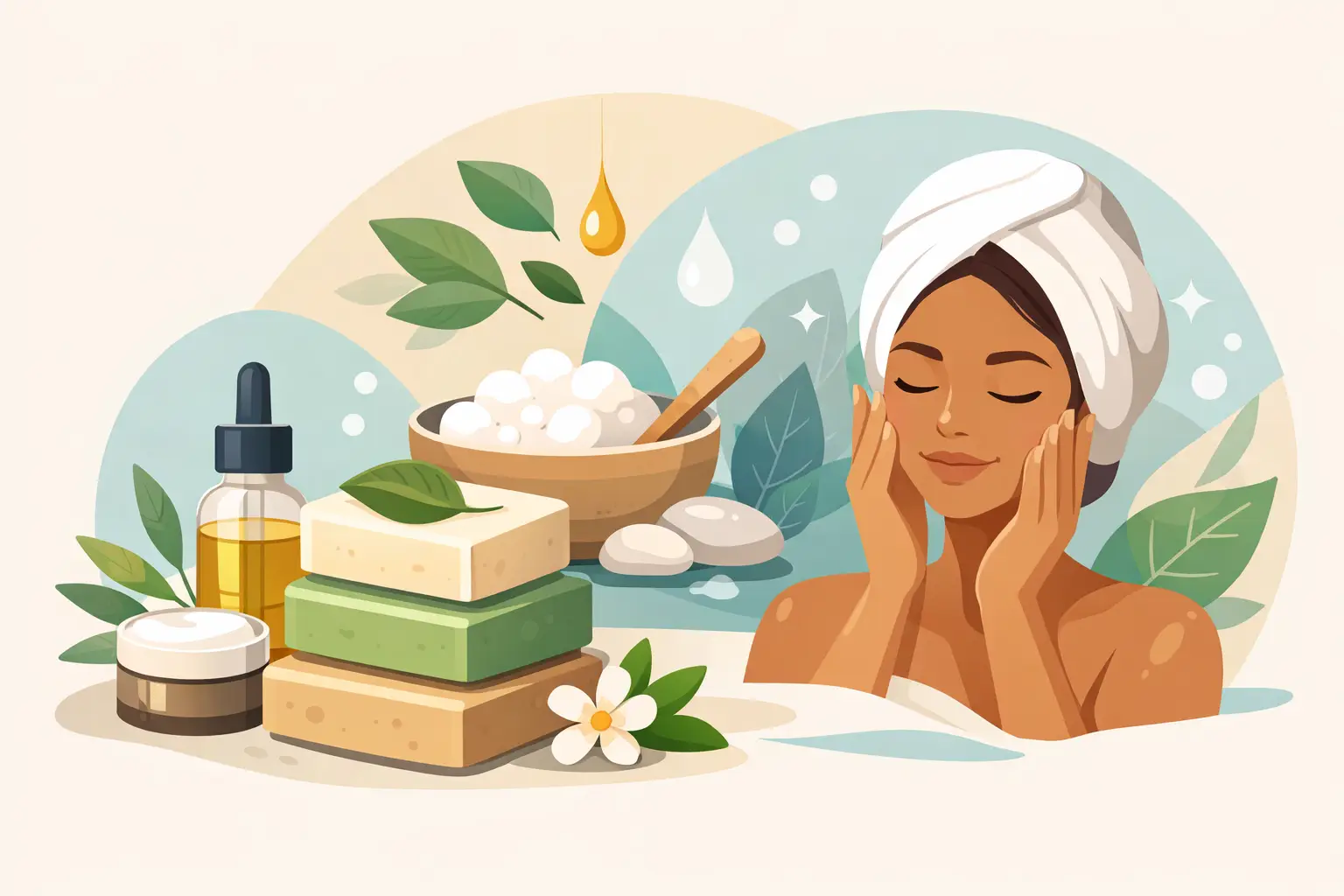
How do you choose the best soap – How do you choose the best natural facial soap?
If washing your face leaves your skin feeling tight or looking dull just minutes later, the issue is often not cleansing itself, but the type of soap you’re using. Choosing the best natural facial soap isn’t just about a nice scent or a handmade look—it’s about a balanced formula that cleanses gently and keeps your skin comfortable instead of stripping it.
Many people think the word “natural” alone is enough to decide. But reality is different. Some natural soaps are great for oily skin, yet too harsh for sensitive skin. Others give a quick “super clean” feel, but leave noticeable dryness with daily use. That’s why the right choice starts with understanding your skin first, then the ingredients, then how to use it.
What does “the best natural facial soap” really mean?
“Best” here doesn’t mean the most expensive, the most popular, or even the foamiest. The best natural facial soap is the one that removes dirt, excess oil, and daily product residue without disrupting your skin’s natural balance. Any soap that causes repeated itching, flaking, or uncomfortable tightness after washing isn’t suitable—even if it’s made entirely from plant-based ingredients.
Facial skin is thinner and more sensitive than body skin, so not every natural soap on the market is suitable for it. A good facial bar should respect that difference. It’s important that it includes oils or extracts that support hydration and soothing, and that it isn’t loaded with strong fragrances or overly harsh daily exfoliating ingredients.
How do you choose soap based on your skin type?
For oily and combination skin
This skin type needs real cleansing, but without harshness. Natural soap with ingredients like clay, activated charcoal, or some lightweight oils can help reduce oil buildup and impurities. Still, if the formula is too drying, your skin may respond by producing even more oil—and that’s when the same frustrating cycle starts.
The best option is usually a soap that cleanses moderately deep—one that doesn’t leave your face shiny again after a few hours and doesn’t cause flaking around the nose and chin. Balance matters more than the immediate feeling of intense cleanliness.
For dry skin
Dry skin can’t handle harsh soaps, even if they’re 100% natural. It does best with formulas rich in gentle plant oils, like olive oil, shea butter, or other natural moisturizing additions. The goal isn’t to remove every trace of oil from your face, but to cleanse while keeping that natural comfort layer intact.
If you feel that right after washing you immediately need a heavy cream to relieve tightness, the soap is likely not suitable. A good soap for dry skin leaves your face clean and soft—not dry and worn out.
For sensitive skin
This category needs as few triggers as possible. The best choice here is soap free from strong fragrances, colors, and unnecessary additives. Including soothing ingredients like gentle herbs or natural frankincense in a well-designed formula can help, but sensitivity varies from person to person—so gradual testing is still essential.
Sensitive skin doesn’t benefit from lots of experimenting. The simpler and purer the formula, the safer the choice is usually.
For normal skin
Normal skin gives you more room to choose, but it doesn’t mean any soap will work. The best approach is to maintain that balance rather than disrupt it. A gentle natural bar, with a clean formula and trusted ingredients, is usually more than enough for daily care.
Ingredients worth looking for
Not all natural ingredients offer the same benefits, but some are trusted by many users because they deliver clear results when used correctly. Core plant oils like olive oil and coconut oil are common in natural soaps, but the real difference is in the ratio and balance. Olive oil is known for its gentleness, while coconut oil may suit some skin types more and feel less comfortable for others if its percentage is too high.
Natural honey is a good option in soaps made for softness and comfort, as it helps leave the skin feeling gentler after washing. Pure herbal ingredients, or Omani frankincense when used within a well-thought-out skincare formula, can also add value for skin that wants a natural routine tied to authenticity and quality.
As for natural clay or charcoal, they’re better suited for those with excess oil or clogged pores, but using them daily isn’t right for everyone. Sometimes a bar is excellent just two or three times a week—not morning and night.
Ingredients to be cautious about
Even in soaps marketed as “natural,” you may find additions that aren’t suitable for the face—like heavy fragrances, rough exfoliants, or formulas that prioritize lots of foam over comfort. More foam isn’t always a sign of quality. Sometimes it’s just a visual effect, while your skin pays the price later.
Also be cautious of soaps that promise extremely fast results, like instant brightening or clearing pimples in a few days. Skin doesn’t work that way. Real care needs the right product, consistent use, and realistic patience.
Is natural soap better than liquid cleanser?
It depends on your skin and the quality of the product itself. A good natural soap can be an excellent option for those who like simple formulas, clear ingredients, and a clean feel without lots of synthetic layers. On the other hand, some liquid cleansers can be gentler for very sensitive skin or for people using dermatological treatments that make skin more prone to dryness.
It’s not an absolute competition between two forms. There’s excellent natural soap, and there’s also soap that isn’t suitable for the face at all. The same goes for cleansers. The judgment should be based on real performance: Does it cleanse gently? Does it cause irritation? Does it keep your skin comfortable over time?
How do you know if a bar suits you?
The answer shows within days of consistent use—not from the first wash alone. If you notice your skin feels softer, the texture is more balanced, and oiliness or dryness hasn’t increased, that’s a good sign. But if itching, redness, obvious tightness appears, or shine increases in an annoying way, the soap likely doesn’t suit you no matter how appealing its ingredients are.
It’s also best to test the soap on a small area first, especially if your skin is sensitive or you have a history of irritation. This simple step can save you a lot of discomfort later.
How you use it matters as much as the soap itself
Sometimes the product really is suitable, but incorrect use ruins the result. Washing with very hot water, scrubbing harshly, or washing too often are habits that can make even gentle soap feel harsh. It’s best to use lukewarm water, work up a light lather between your hands, apply it gently to the face for a short time, then rinse well and pat dry calmly.
If your skin is dry or sensitive, using soap once a day may be enough, while the second wash can be water only or a gentler cleanser as needed. Very oily skin may tolerate twice daily if the formula is truly balanced.
When isn’t natural soap alone enough?
If you have inflamed acne, eczema, or pigmentation linked to ongoing inflammation, soap isn’t a complete solution. It can be a good part of your routine, but it won’t treat everything on its own. That’s where the difference shows between an excellent cleanser and a treatment product. A lot of disappointment comes from expecting more than what a bar of soap is meant to do.
Soap’s main role is gentle cleansing and preparing the skin for the rest of the steps. When that role is done properly, the rest of your skincare products become more effective and more comfortable.
Why do many people prefer authentic natural soaps?
Because trust in the source has become essential, not a minor detail. Today’s customer isn’t just looking for the word “natural,” but for a clear product, understandable ingredients, and a reassuring buying experience. That’s why many are drawn to products based on well-sourced materials tied to a real natural heritage—especially when they come from places known for ingredient quality, like Oman and what it’s famous for: frankincense, honey, herbs, and authentic care products.
With this kind of choice, it’s not just about beauty—it’s peace of mind too. When you know what you’re putting on your skin, where it came from, and why it’s used, the decision becomes easier and more confident.
If you’re looking for a natural facial soap that gives you comfortable cleansing instead of the usual harsh feel, start with your skin—not the marketing. Choose clear ingredients, watch how your face responds, and don’t rush your judgment. Good care doesn’t need a lot of complexity—just an honest product that suits you from the first use to the last bar.
How do you choose the best soap
- Quality
- Natural
- Fast Delivery