


Coffee Body Scrub for Safe Softness Every Week

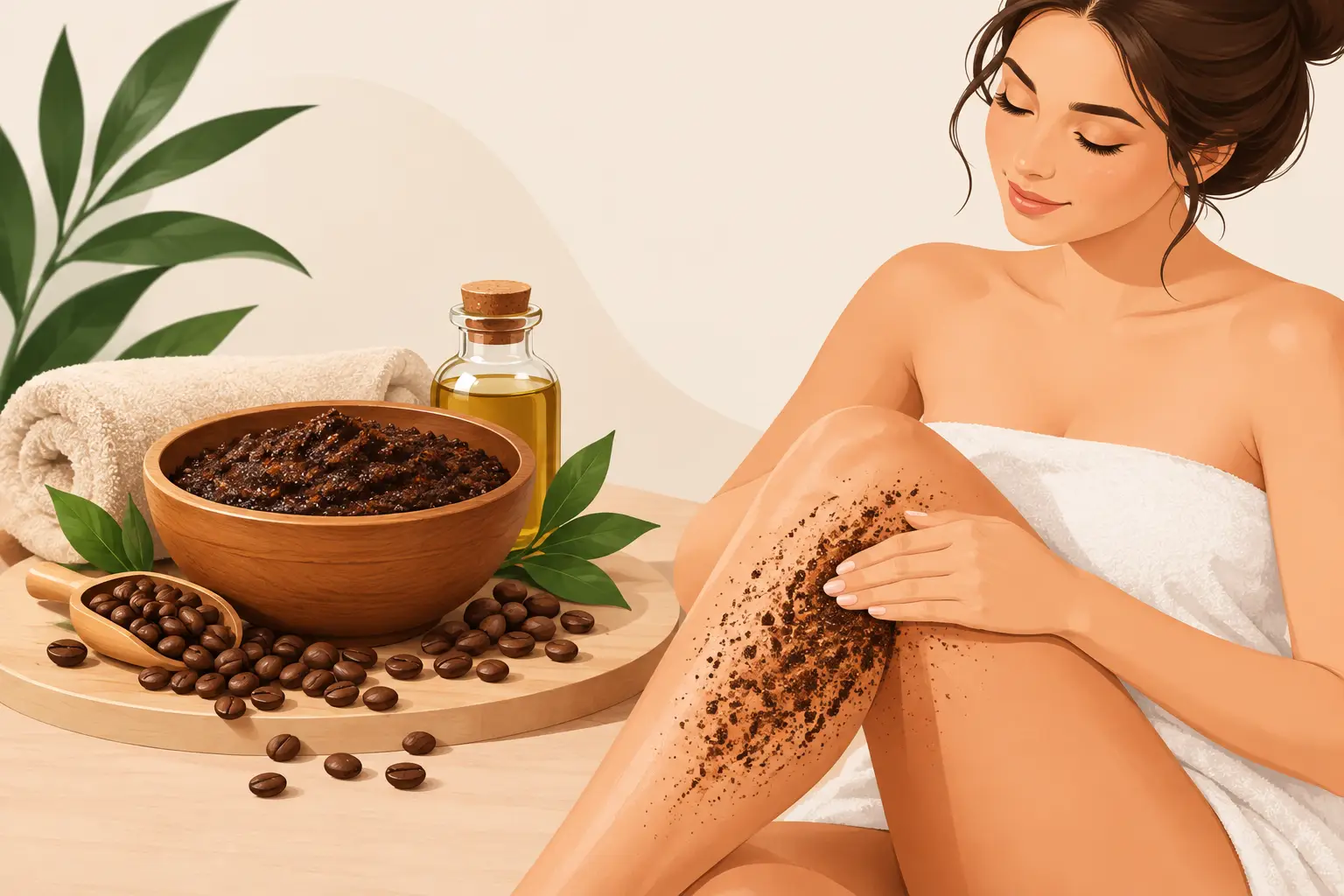
Dead skin cells build up faster on areas like the knees, elbows, and heels than on the rest of the body, making skin look rough or dull no matter how good your lotion is. That’s where coffee body scrub comes in as a simple step that gives skin a softer texture and a more radiant look, as long as it’s used in moderation and with a formula that truly suits your skin’s needs.
Coffee isn’t a magic solution for pigmentation or cracked skin, but it’s a beloved ingredient in skincare routines thanks to its granules, which help remove the buildup on the skin’s surface, and its warm scent, which makes shower time more enjoyable. The real difference doesn’t come from coffee alone, but from the size of the granules, the oils paired with it, and how you exfoliate and moisturize afterward.
What does a coffee body scrub actually do?
Manual exfoliation removes some of the dead skin cells built up on the skin’s surface. Right after, you may notice immediate softness, and your skin will seem more ready to absorb lotion or body butter. That’s why coffee scrub is especially useful before special occasions, or when caring for rough areas that don’t get enough moisture.
Coffee contains caffeine and antioxidants, but in homemade or store-bought scrubs, the most noticeable effect comes from the physical action of the granules during massage. The massage itself may give a temporary feeling of freshness, but it doesn’t treat cellulite, remove deep pigmentation, or replace sunscreen on exposed areas. Being upfront about this matters, so you can choose the product with realistic expectations.
When coffee is blended with suitable plant-based oils, like coconut oil, almond oil, or shea butter, dry skin gets an extra benefit: removing surface flakiness while reducing that tight feeling after showering. For skin that tends to break out on the back or chest, a lighter, less oily formula may work better—just try it on a small area first.
How do you choose the right scrub for your skin?
A product being labeled “natural” doesn’t mean it suits every skin type. Very coarse granules can leave tiny scratches or increase redness, especially if you rub too hard. Choose a scrub with medium or relatively fine coffee granules, backed by moisturizing ingredients, and steer clear of formulas with strong fragrances if your skin reacts easily to scents.
For dry skin, look for shea butter, plant oils, or vitamin E among the ingredients. These additions make the scrub gentler and help keep skin comfortable after rinsing. For normal skin, a balanced formula that doesn’t leave a heavy oily layer is enough, especially if you like to follow up with your usual moisturizer after showering.
Sensitive skin needs extra caution. Not every area of the body is equally sensitive, but if your skin flushes easily or deals with eczema or inflammation, granular exfoliation may not be suitable during flare-ups. In that case, avoid using the scrub over inflamed or cracked areas, and see a specialist if the issue persists.
When buying a ready-made product, read the ingredient list instead of relying on the name, color, or scent alone. Coffee appearing near the top of the list may suggest it’s a main part of the formula, but what matters most is the balance between the exfoliating ingredient and the soothing ones. At Allwaa Alakhdar, we believe natural care starts with knowing the source and the ingredients, not just big promises.
How to use coffee body scrub without stressing your skin
The best time to use a scrub is during your shower, once your skin has softened a bit with lukewarm water. You don’t need very hot water, since it can increase dryness and make skin more sensitive to friction. Take a suitable amount, spread it over damp skin, and massage gently in short circular motions.
Start with your legs and arms, then gently focus on your knees, elbows, and heels. Don’t press hard thinking it’ll give better results—harsh exfoliation doesn’t speed up softness, it can actually cause irritation and more flaking later on. A short massage on each area followed by a thorough rinse is enough.
After patting dry—not rubbing—apply body moisturizer within a few minutes. This step isn’t optional; it’s what keeps your skin feeling soft and helps limit moisture loss. A light lotion works well in hot weather, while a richer cream or body butter is better for winter or noticeably dry skin.
Don’t use a coffee scrub right after waxing or shaving, or on skin with sunburn, cuts, or inflamed breakouts. It’s also best to avoid using it on the same day as strong chemical exfoliants with acids, since combining more than one exfoliation method can overwhelm your skin barrier.
How many times a week is enough?
Once a week is usually enough for dry or sensitive skin, while normal skin may handle it twice a week if there’s no redness, tightness, or itching. There’s no single rule that fits everyone, since climate, frequent showering, skin type, and the product itself all play a role.
Watch how your skin responds after use. If it feels soft and comfortable, keep up the same routine. But if you notice persistent stinging, redness, or increased dryness, pause for a few days and focus on moisturizing, then come back with less frequent use or gentler granules. Successful skincare isn’t about how many products you use, but how balanced your skin’s response is.
Can you make a coffee scrub at home?
You can make a simple scrub from used coffee grounds mixed with a suitable plant-based oil, but it needs careful handling. Damp coffee grounds can spoil quickly if stored in a container in the bathroom, and granules that are too large or uneven can make the scrub harsher than intended. It’s best to prepare a small batch for immediate use rather than storing the mixture for days.
A ready-made product usually gives you a more consistent formula in terms of texture, scent, and proper preservatives, while a homemade mix suits those who want full control over the ingredients and plan to use it right away. Either way, test any new formula on a small area of your body before using it more widely.
Mistakes that reduce the benefits of exfoliation
The most common mistake is exfoliating daily because you love how soft your skin feels at first. Skin needs time to renew itself, and overdoing it can weaken its natural barrier, leading to dryness and sensitivity. The second mistake is skipping moisturizer after exfoliating, and the third is scrubbing dark areas aggressively to try to lighten them quickly.
If you have noticeable pigmentation on your neck, underarms, or other friction-prone areas, gentle exfoliation may only improve the texture—it’s not enough to treat the underlying cause. Reducing friction, keeping skin moisturized, and using sun protection when exposed are all steps that make a bigger difference in the long run.
Make your coffee body scrub a calm moment of care, not a battle with your skin: a gentle massage, a thorough rinse, then regular moisturizing. With this simple approach, coffee goes from being a favorite fragrant ingredient to a balanced part of a routine that gives your skin the comfort and softness it deserves.