


Can Sunscreen Cause Breakouts? Causes and Effective Solutions

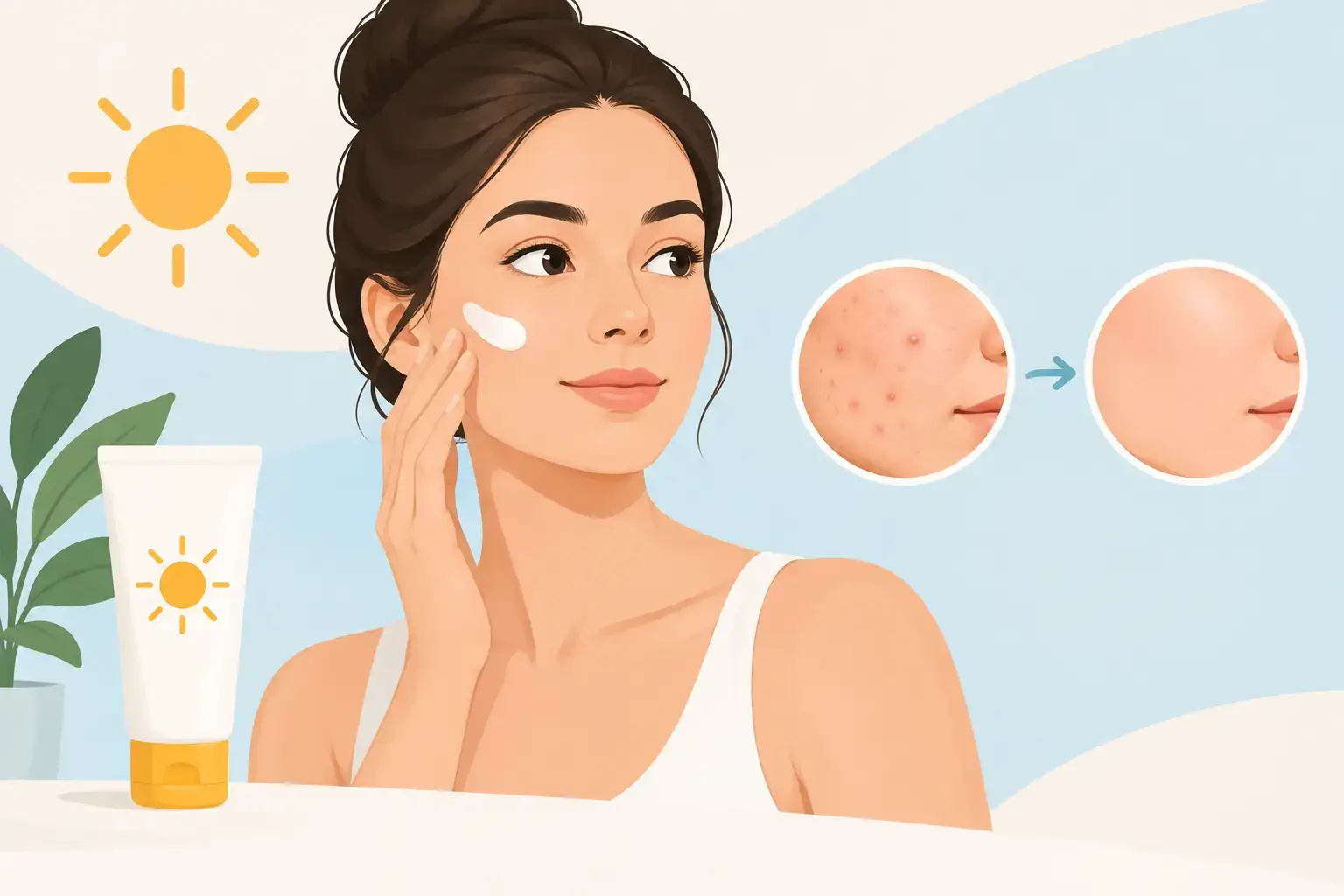
You may notice small pimples or excess shine after starting a new sunscreen and wonder: Can sunscreen cause breakouts? The answer isn’t a simple yes or no. Sunscreen itself shouldn’t directly cause acne, but it may contribute to breakouts for some people if the formula isn’t suitable for their skin type, if it’s used incorrectly, or if it isn’t thoroughly removed at the end of the day.
Daily sun protection is just as important as moisturizing. It helps reduce the risk of pigmentation, acne marks, and premature dullness. The solution isn’t to stop using sunscreen, but to identify what doesn’t suit your skin and choose a formula that feels comfortable and lightweight.
Can Sunscreen Really Cause Breakouts?
It can happen indirectly. Some sunscreens contain heavy ingredients, oils, or fragrances that oily or sensitive skin may not tolerate well. These can mix with natural oils, sweat, and dead skin cells. As they build up in the pores, whiteheads, blackheads, or inflamed pimples may appear.
But breakouts after using sunscreen don’t always mean the product is the only cause. Other layers in your skincare routine, such as a very rich moisturizer or facial oil, could be responsible, as could unclean makeup tools or not removing sunscreen at night. Hormonal changes, lack of sleep, stress, and certain medications can also make skin more prone to breakouts at the same time.
A simple rule: if you notice clear breakouts within two to four weeks of using a new sunscreen, especially in areas where you don’t usually break out, it makes sense to stop using it temporarily and monitor your skin. If the breakouts have been ongoing for a long time, it’s better to look at your entire skincare routine rather than blame sunscreen alone.
Ingredients That May Not Suit Acne-Prone Skin
Not all heavy ingredients are harmful, and not all oils clog pores for everyone. Responses are personal and vary from one person to another. But oily or combination skin that’s prone to breakouts may feel better with lightweight formulas clearly labeled “non-comedogenic” or “suitable for acne-prone skin.”
Pay particular attention to very thick or waxy textures and very rich oils when using them in the Gulf’s hot, humid weather. Heat and sweat can make a product feel stickier on the skin, especially when reapplied over makeup or several layers of skincare.
Strong fragrances and irritating alcohol may not necessarily clog pores, but they can cause redness, dryness, or irritation in sensitive skin. When irritation dries out the skin, it may produce more oil in response, creating a cycle of shine and breakouts. That’s why it’s best to choose a gentle formula with clearly listed ingredients, rather than relying on the word “natural” alone.
The Difference Between Breakouts and Allergic Irritation
Recognizing what the problem looks like helps you choose the right response. Breakouts caused by clogged pores usually appear gradually as small bumps, whiteheads, or blackheads, and may be concentrated on the forehead, chin, and cheeks. Irritation or an allergic reaction, on the other hand, can appear quickly, with itching, stinging, widespread redness, or flaking.
If you feel significant burning or notice swelling or a widespread rash, stop using the product immediately and gently wash your face. Don’t continue using it in the hope that your skin will “get used to it,” especially if the symptoms are getting worse. If irritation persists or is severe, consulting a dermatologist is the safest option.
How to Choose a Sunscreen That Feels Light on Your Skin
Start with your skin type, not just the product’s popularity or price. Oily skin usually does well with gels, fluids, or lightweight lotions, while dry skin needs a sunscreen that balances protection and moisture without leaving a heavy, greasy feeling. Sensitive skin often benefits from formulas with minimal fragrance that are designed to reduce irritation.
Look for broad-spectrum protection against UVA and UVB rays, with an SPF of at least 30 for daily use. If your skin gets intense sun exposure while driving, walking, traveling, or working outdoors, choose a higher SPF and water and sweat resistance when needed.
Both mineral and chemical sunscreens can work for acne-prone skin. Mineral formulas, which usually use zinc oxide or titanium dioxide, can be a comfortable option for sensitive skin, but some may leave a white cast or have a heavier texture. Chemical formulas may be lighter and easier to wear under makeup, but some sensitive skin may not tolerate certain filters. The right choice depends on careful experimentation, not a single rule for everyone.
How to Apply Sunscreen Without Clogging Pores
Even the best formula may not deliver the desired results if it’s applied over too many layers or not removed properly. Keep your morning routine simple: a gentle cleanser, followed by a suitable moisturizer if needed, then sunscreen. Let each layer settle briefly before applying the next, rather than quickly rubbing products over one another.
Apply enough to your face and neck, as using too little significantly reduces protection. You can apply it in two thin layers for even coverage, especially if the texture is rich. When exposed to direct sunlight, reapply approximately every two hours, or after swimming, heavy sweating, or towel-drying your face.
In the evening, splashing water on your face or using cleansing wipes alone isn’t enough. Remove your sunscreen thoroughly with a suitable cleanser. You can double cleanse if the formula is water-resistant or if you’ve worn makeup over it, following up with a gentle cleanser that doesn’t leave your skin feeling tight and dry. Over-cleansing or using harsh exfoliants every day may cause more irritation than benefit.
Common Mistakes That Increase the Risk of Breakouts
One of the most common mistakes is constantly switching products. When trying a new sunscreen, give your skin enough time to observe how it responds, and don’t introduce a strong exfoliant, new serum, or acne treatment cream in the same week. This way, you’ll know what helped your skin and what irritated it.
Applying a rich sunscreen over a rich moisturizer and facial oil can also feel unnecessarily heavy, especially in hot weather. Simplify your routine when needed and choose products that suit your skin. Don’t forget to wash makeup brushes and sponges regularly and avoid touching your face throughout the day. These small details really can affect how clear your skin looks.
When Should You Change Your Routine?
If breakouts appear after using a new sunscreen and improve when you stop, choose an alternative with a lighter texture and simpler ingredients. Try it first on a small area of your face or along your jawline for a few days, then gradually introduce it into your routine. Don’t test several products at once, as this makes it harder to identify the real cause.
If your pimples are deep, painful, or leave dark marks, don’t rely on changing your sunscreen alone. Your skin may need a balanced treatment plan recommended by a professional. Continue protecting your skin from the sun, as exposure can worsen pigmentation after breakouts.
Quick Questions About Sunscreen and Breakouts
Should You Stop Using Sunscreen If You Break Out?
Not necessarily. Stop using the product you suspect, but replace it with a lighter sunscreen suitable for acne-prone skin. Leaving your skin unprotected can worsen acne marks and pigmentation, especially under the Gulf’s strong sun.
Is Tinted Sunscreen Better for Oily Skin?
It can be a practical choice because it evens out your complexion and reduces the need for extra layers of makeup. But what matters isn’t the tint: it’s how lightweight the formula is, whether it suits your skin, and how easily it can be removed in the evening.
Do Natural Products Guarantee You Won’t Break Out?
Natural ingredients from a trusted source can be a lovely addition to your skincare routine, but “natural” doesn’t automatically mean suitable for every skin type. Even plant oils and extracts need to be chosen carefully and used in moderation, especially on oily and sensitive skin.
Your skin doesn’t need you to give up sun protection to become clearer. It needs a suitable sunscreen, a simpler routine, and consistent care. Read the ingredients, calmly observe how your skin responds, and choose a clearly formulated, high-quality product that feels comfortable every day.