


Can Herbs Interact with Medications? A Guide to Safe Use

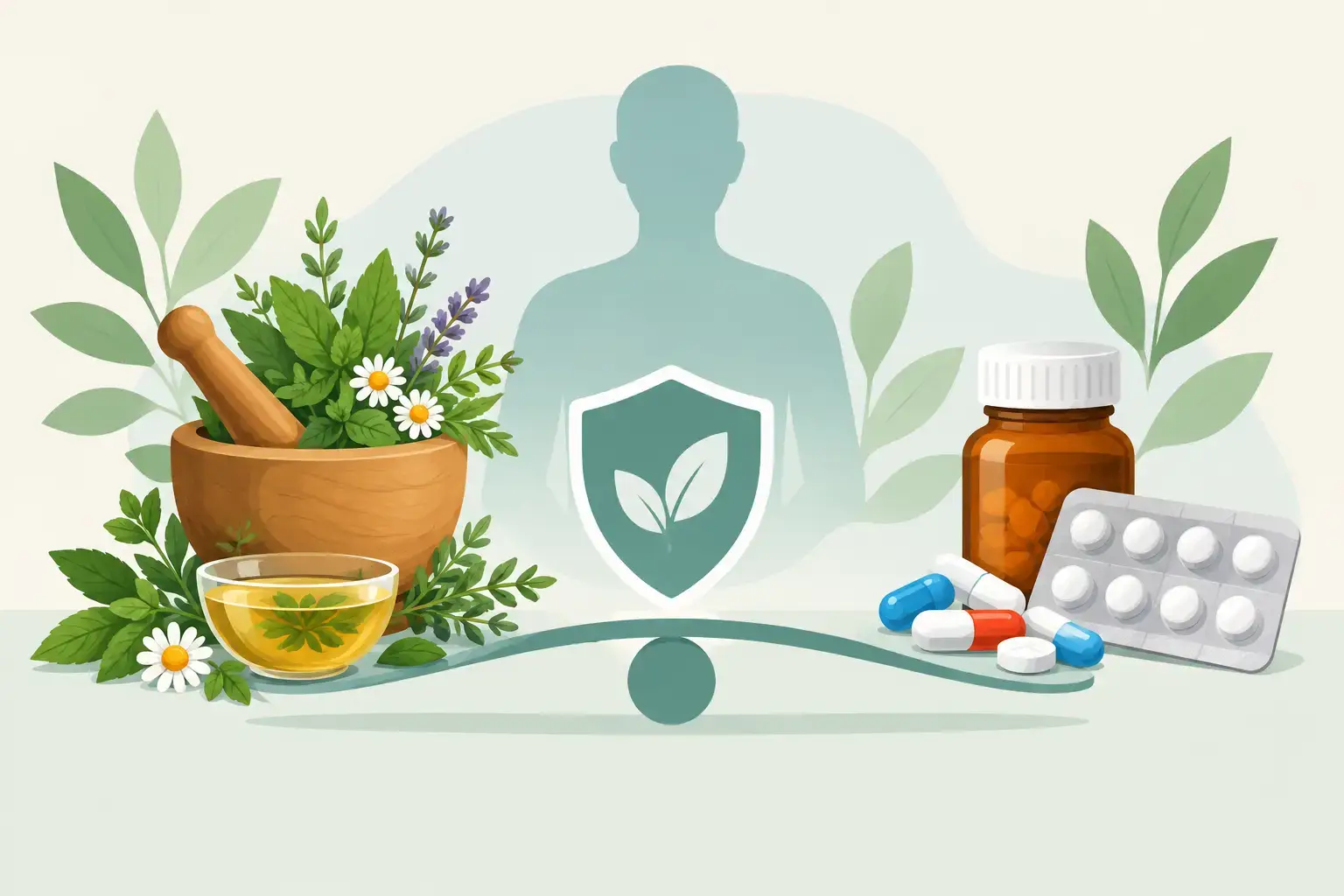
It might start with a cup of herbal tea after dinner or a spoonful of honey with an herbal blend in the morning. But can herbs interact with medications? The answer is yes, in some cases. Just because a product is natural and authentic doesn’t mean it has no effect on your body, especially when used in concentrated doses or alongside regular medication.
Herbs, honey, frankincense and other natural products are a cherished part of our heritage and can have a place in our daily health and care routines. Using them mindfully doesn’t diminish their value; it helps you enjoy their benefits more safely and with peace of mind. The simple rule: tell your doctor or pharmacist about everything you take, including herbs, supplements and homemade blends.
Can Herbs Really Interact with Medications?
Many herbs contain active compounds that can affect how a medication is absorbed, how quickly it’s broken down in the liver or how strongly it acts in the body. Some herbal products may increase a medication’s effects, while others may make it less effective. Interactions don’t happen with every herb or every person, but they’re worth considering, especially if you take medication daily or for a chronic condition.
It’s especially important to be cautious with blood thinners and medications for diabetes, blood pressure, heart conditions, thyroid conditions, epilepsy, depression and the immune system, as well as medications taken after an organ transplant. In these cases, even a small change in how a treatment works can have unwanted consequences, even if the herb is commonly used.
The form of the product matters too. Moderate amounts of cooking spices aren’t the same as concentrated capsules, extracts or essential oils taken by mouth. Likewise, drinking a mild herbal infusion occasionally is different from taking a daily herbal blend without knowing its ingredients or concentration.
Herbs and Ingredients to Ask a Professional About
Some plants are known to potentially interact with certain treatments. That doesn’t mean everyone needs to avoid them, but their use should be appropriate for your health and medications.
St. John’s Wort and Mood Medications
St. John’s wort is used in some products for mood and sleep, but it can reduce the effectiveness of several medications because it affects the liver enzymes that process them. These may include some contraceptives, heart medications, immune system medications and antidepressants. Don’t use it with prescription medications without first consulting your doctor or pharmacist.
Ginkgo, Garlic and Ginger with Blood Thinners
Ginkgo, garlic and ginger may affect blood clotting in some people, particularly when taken in high doses or as concentrated supplements. If you take warfarin, aspirin or other blood thinners, or have surgery coming up, consult a healthcare professional before adding these products to your daily routine.
This doesn’t mean you need to avoid garlic or ginger in your usual meals. The main difference is often the concentration, amount and frequency of use, along with your medication and health condition.
Licorice, Blood Pressure and Potassium
Licorice is a popular ingredient in some drinks and blends, but consuming too much may raise blood pressure or lower potassium levels. If you have high blood pressure, heart or kidney disease, or take diuretics, take extra care when consuming it regularly.
Ginseng and Diabetes and Blood Pressure Medications
Ginseng may affect blood sugar or blood pressure, so monitoring is important if you take medication for either condition. If you notice dizziness, unusual sweating, shakiness or a significant change in your blood sugar readings, don’t dismiss it as a passing symptom.
Turmeric and Concentrated Supplements
Turmeric is a familiar cooking spice for many people, but highly concentrated extracts call for more caution, especially if you take blood thinners or have gallbladder or stomach problems. Don’t let the phrase “natural extract” persuade you to exceed the suggested dose or combine multiple products containing the same ingredient.
When Are Interactions More Likely?
Interactions are more likely if you take more than one medication or use several supplements at the same time. The risk is also higher for older adults, people who are pregnant or breastfeeding, and those with liver or kidney disease, as their bodies may process medications and extracts differently.
A product with an unclear source is an additional concern. Some blends may not list all their ingredients, specify a suggested dose or provide adequate warnings about their combination of plants. Choosing a natural product with a known source and complete labeling is a practical step toward more responsible use, but it doesn’t replace professional advice if you take medication regularly.
How Can You Use Herbs Mindfully Alongside Treatment?
You don’t need to give up your natural routine, but you do need to manage it carefully. Start by reading the full ingredient list, and don’t introduce more than one new herbal product at a time. That way, if you experience an unusual symptom, it’s easier to identify what might have caused it.
Before buying a supplement or herbal blend, keep an up-to-date list of your medications, including their names, doses and reasons for use. Show it to your pharmacist or doctor, and mention any products you drink or take, even if they seem simple, such as herbal tea or honey mixed with herbs.
Taking some medications and herbs at different times can sometimes help, especially with products rich in fiber or minerals that may affect the absorption of certain treatments. But don’t rely on spacing them out as a general solution without advice: some interactions involve more than absorption and may affect the blood, liver or blood pressure.
Follow the stated dose and don’t double it in pursuit of faster results. Natural products take patience, and increasing the amount may raise the risk of side effects without adding any real benefit. If a product is an essential oil, don’t take it by mouth unless it’s intended for that purpose and you have clear professional guidance.
Don’t Confuse External and Internal Use
The risk of interactions differs when you apply a product to your skin or hair rather than taking it by mouth. Natural soap, lotion or herbal serum doesn’t usually cause the same medication interactions, because absorption into the bloodstream is limited in most cases. That doesn’t mean it’s suitable for everyone, though: sensitive skin may react to essential oils or plant extracts.
Test the product on a small area of skin first, and avoid applying it to open wounds or severely irritated skin. If you’re pregnant or breastfeeding, or have a known allergy, choosing clear, simple ingredients remains the more reassuring option.
Signs You Shouldn’t Ignore
Stop using the herbal product and seek urgent medical advice if you experience unusual bleeding, facial swelling, difficulty breathing, a severe rash, noticeable palpitations or severe dizziness. If your blood pressure or blood sugar readings change significantly after starting a new product, contact the healthcare professional managing your treatment.
Don’t stop taking prescribed medication on your own because you’ve started using an herb or natural product. Prescribed treatments are part of a carefully considered health plan, and any changes require a medical decision based on your condition and, when needed, your test results.
A Responsible Natural Choice Starts with the Source
Looking for 100% natural products isn’t about seeking exaggerated promises. It’s about finding a known source, clear ingredients and understandable directions for use. At Allwaa Alakhdar, the value of Omani natural products lies in authenticity, quality and informed choices, from frankincense and honey to daily care products.
Let nature be a mindful addition to your routine, not an unconsidered replacement for your treatment. One question to your pharmacist before you start can help you enjoy the product’s benefits with peace of mind.