


Omani Frankincense Soap Review: Is It Right for Your Skin?

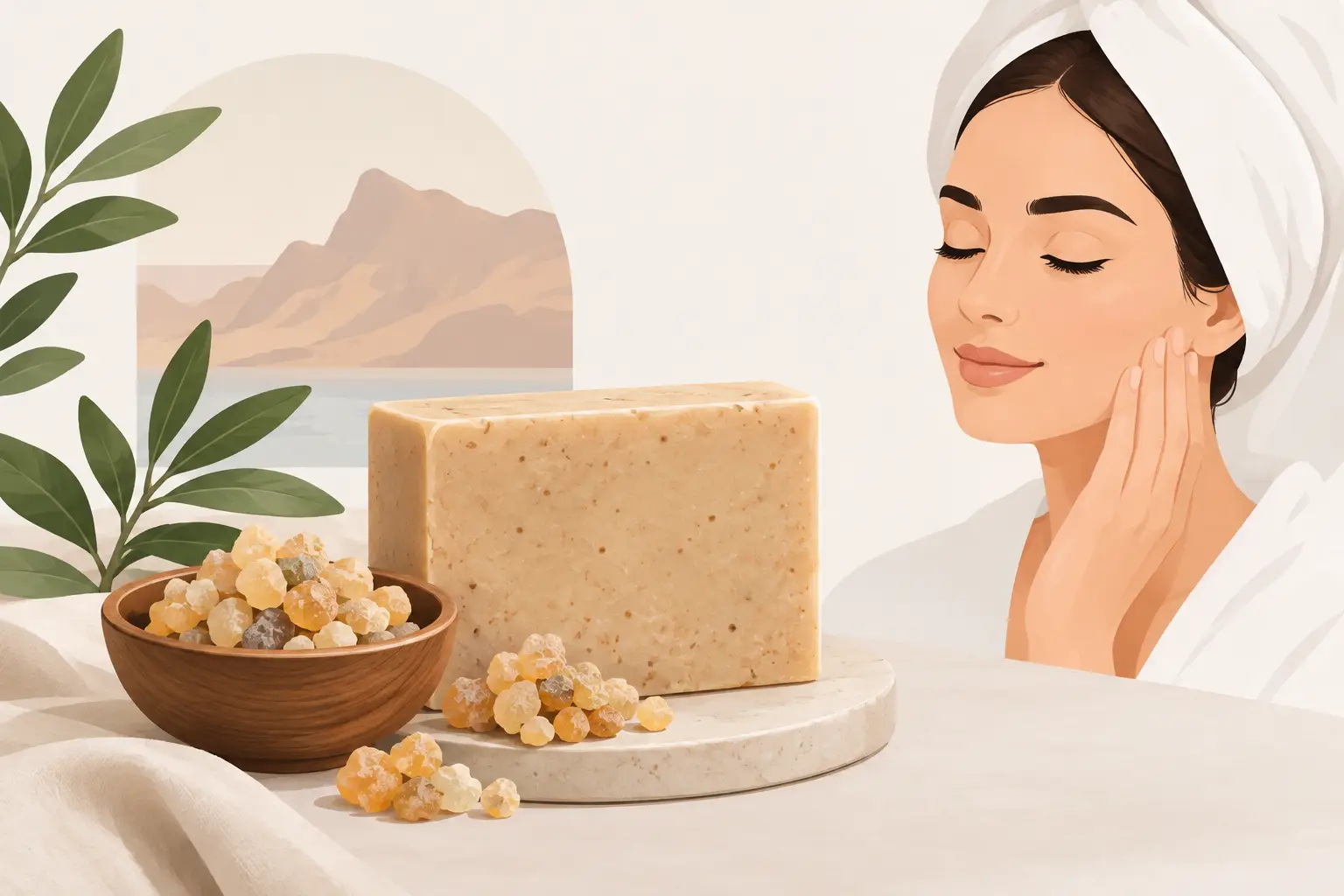
Don’t start an Omani frankincense soap review with the scent alone, no matter how warm and distinctive it is. A good soap is known by what it leaves on your skin after rinsing: comfortable cleanliness, a balanced feel, and no annoying tightness or dryness. Omani frankincense—especially the kind from Dhofar—has strong natural and heritage value, but the soap experience also depends on the rest of the formula, how you use it, and your skin type.
Omani frankincense soap is a popular choice for anyone looking for daily care with ingredients inspired by Omani nature. It can suit both face and body when you choose a balanced formula, but it’s not one product with one result for everyone. This practical review helps you make a confident purchase decision, away from exaggerated promises.
What makes Omani frankincense soap different?
Omani frankincense is a natural resin extracted from frankincense trees, known for its quality and calm, aromatic scent. When used in soap, it gives the product a clearly natural identity and a fragrance that feels clean and refined—not loud. A well-made bar may also combine frankincense oil or extract with supportive plant oils, such as olive oil, coconut oil, or shea butter.
The main advantage isn’t the name “frankincense” alone, but its source and how it’s used. Having genuine Omani frankincense in a suitable formula can make showering or face cleansing more enjoyable—especially for those who prefer 100% natural products or formulas that rely less on strong synthetic fragrances.
But it’s important to tell the difference between a soap that contains frankincense extract or oil as a clear ingredient, and a soap that only uses a fragrance that mimics its scent. A trustworthy product lists its ingredients clearly and explains the right way to use it, instead of relying on vague claims about purity or lightening.
Rating Omani frankincense soap by skin needs
For dry skin
Omani frankincense soap may suit dry skin if it contains plant oils and moisturizers that reduce the tight feeling after washing. But a harsh, very foamy soap can strip the skin’s natural oils and increase dryness—no matter how excellent the frankincense source is.
After use, check how your face or body feels within five minutes. If you immediately feel you need moisturizer or you notice obvious flaking, it’s better to reduce how often you use it or keep it for the body instead of the face. Using a suitable moisturizer after drying is essential, especially in dry weather or with frequent showers.
For oily and combination skin
Oily skin doesn’t need harsh cleansing. A gentle frankincense soap formula can help remove dirt, sunscreen residue, and built-up oils without leaving an uncomfortable greasy film. But it won’t treat breakouts or clogged pores on its own, and it shouldn’t be seen as a replacement for a treatment routine if acne is ongoing.
Combination skin can use it in moderation, while paying attention to the cheeks, which may be drier than the nose and forehead area. If your skin starts producing more oil after a few days, that may be a reaction to over-cleansing—not proof that the soap is “cleaning better.”
For sensitive skin
This is where the choice becomes more precise. “Natural” doesn’t automatically mean it suits every sensitive skin type, because essential oils and plant extracts can irritate some people. If your skin reacts easily to fragrances or new products, test the soap on a small area of your arm or behind the ear for 24 hours before using it on your face.
If itching, redness, or ongoing burning appears, stop using it. It’s best to choose a soap with a short, clear ingredient list, free from synthetic fragrances and strong dyes, and avoid scrubbing the skin or leaving the lather on for too long.
Does the soap actually brighten skin?
One of the most common claims in skincare is that soap brightens the skin. In reality, soap—even if it’s rich in good natural ingredients—is still a rinse-off product. So it may give a temporary glow by removing dirt and built-up surface cells, but it won’t change your natural skin tone or remove deep pigmentation on its own.
The realistic result to expect is a cleaner look and a smoother feel with regular, appropriate use. Dark spots, acne marks, and melasma need targeted care, along with daily sunscreen. Skipping sun protection and then expecting results from soap alone won’t give you what you’re hoping for.
How do you know the formula is good?
Read the ingredient list before buying. Plant oils, glycerin, or natural butters are a better sign for skin that tends to dryness, while heavy fragrances, artificial colors, or unclear ingredients with no explanation call for caution. The clearer the information provided, the easier and safer the decision.
Don’t focus on the word “natural” alone. Ask: Is the frankincense source known? Is the product for the face or the body? Does the store state the weight and storage method? Are there honest instructions for a sensitivity test? These details are what build trust in a personal care product.
At Alwaa Alakhdar, the value of frankincense products is tied to Omani origin and a focus on clear, natural ingredients—something that matters to customers who want a confident purchase, not just a nice scent. Reading each product description carefully is still a smart step, because soap formulas can vary from one bar to another.
The right way to use frankincense soap
For the best experience, wet the skin with lukewarm water, then work up a light lather between your hands before applying it to the face or body. Glide the lather gently, and don’t use a rough loofah on the face. Let the soap sit briefly, then rinse well with water.
For the face, once in the evening may be enough if your skin is dry or sensitive, while oily skin can use it morning and evening as long as there’s no tightness or irritation. For the body, use it in the shower as needed. Then pat the skin dry (don’t rub) and follow with a suitable moisturizer to maintain skin balance.
Store the soap bar in a dry place that lets water drain. Leaving it sitting in water shortens its life and makes it less comfortable to use. It’s a simple step, but it helps you get more out of the product for longer.
When is it not the right choice?
If you’re using strong exfoliating treatments, topical acne medications, or retinol, you may need a gentler, fragrance-free cleanser at this stage. People with active eczema, cracks, or severe sensitivity should also consult a specialist before trying any new scented or plant-based soap.
And don’t expect soap to solve every skin concern. It’s a solid base for daily cleansing when you choose the right type, but balanced care includes moisturizing, sun protection, and sticking to products that match your skin’s actual condition.
Omani frankincense soap is worth trying for anyone who appreciates the authentic frankincense scent and wants daily care with a natural feel—as long as you choose a transparent formula that suits your skin. Start slowly, watch how your skin responds, and let how comfortable your skin feels after washing be your most honest guide.